It’s about last summer season when our group of buddies decided to discover Germany. The nation was on our container checklist for quite a long. We were just waiting on our finals to finish. As soon as our finals finished, we determined to knapsack. We had actually browsed about Germany for quite a long. Consequently, we understood a journey via road would certainly be the best brief.
It is not a surprise truth that Germany is famous for its cool cities and good beer or quick autos. Yet there is a whole lot a lot more the attractive nation needs to offer. For example, historic communities, remarkable castles, romantic forests, picture-perfect mountains along with coastlines.
For that reason, we took our maps, carried all the essential things, and also made sure to upgrade our places-to-visit list as it was going to be a fun, adventurous journey. Yet in the past hitting the road, we saw to it to confirm our cars. That’s where we entered trouble.
However Kfzteile24 came to the rescue with its premium automobile services. We used the Kfzteile24 rabattcode from https://www.gutscheinecode-deutschland.info/kfzteile24-gutschein and also got our auto auto-parts within our budget plan!
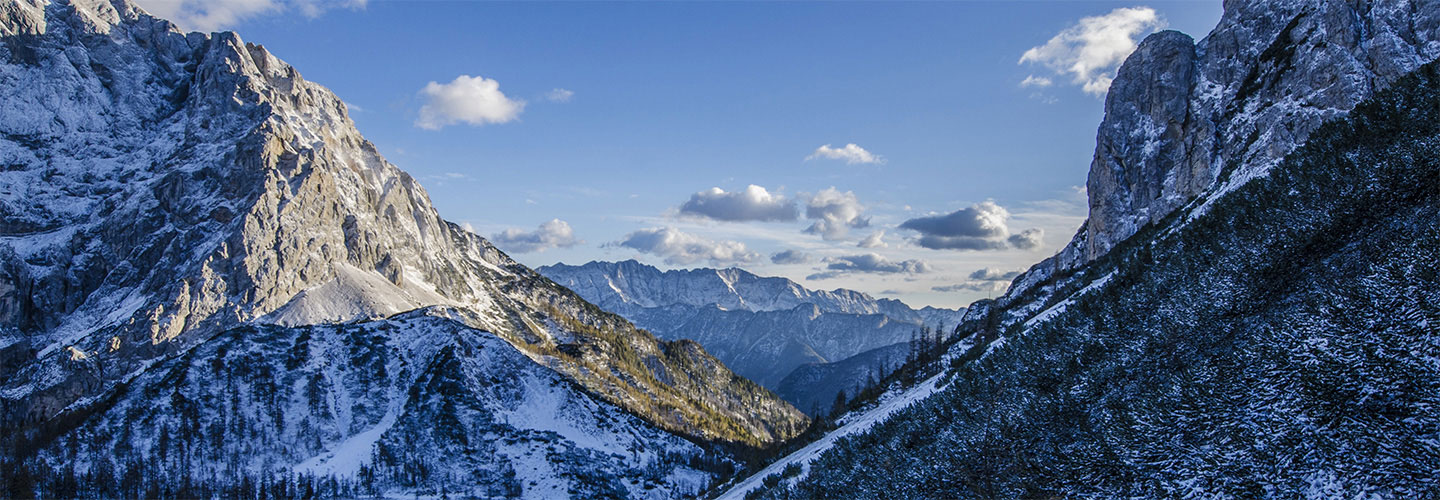
We wished to check out all the major vacationer destinations largely. So, we went to Munich. It is the funding of Bavaria and is popular for Bavarian Alps along with the Enchanting Road. The attractive hidden gems are one of the lovely places you will visit in Germany.
We also stopped by the middle ages abbeys and also fascinating castles along the way. Nonetheless, we were astonished to see all the little yet gorgeous towns. Among my favorite communities was Wurzburg and Bamburg there!
Backpacking in Germany throughout September or October is the most effective as you ‘d reach experience the world-famous festival, Oktoberfest. As a result, we additionally planned our backpacking trip appropriately. Let me tell you, we never had extra enjoyable time before in our life.
The carnival is renowned for three-week beer drinking as well as indeed you ‘d only have to remain in Germany for this as the festival is all complimentary! We were incredibly excited to see all the large beer companies’ camping tents outside. The general atmosphere and setting were amazing.
We had the very best time of our lives with every person out there. It was a fantastic day filled with drinking and also finalizing. The carnival was certainly one of the highlights of our trip, for all great reasons!
Our next quit was the fairytale, Black Forest. I have been to numerous forests yet I have never seen such dark eco-friendly ache woodlands in the past! The cuckoo clocks and the yummiest black woodland cake was just one of my preferred part of seeing the Black forest.
As we were exploring the wonderful Black Forest, our auto betrayed us. Fortunately, it was a minor trouble as well as we got it solved through Kfzteile24 services.
We likewise used the Kfzteile24 gutscheincode to reduce the quantity on our on the internet acquisition. Therefore, if you are believing to explore Germany using roadway after that don’t think twice. Because you can use superior high quality car solutions in no-time level!